
What is Chikungunya Virus?
Chikungunya virus (CHIKV) is a mosquito-borne alphavirus that causes chikungunya fever, a debilitating disease characterized by severe joint pain and inflammation. The name “chikungunya” derives from the Kimakonde language, meaning “to become contorted,” referring to the hunched appearance of patients suffering from joint pain.
Transmission and Vector Control
Mosquito Vectors
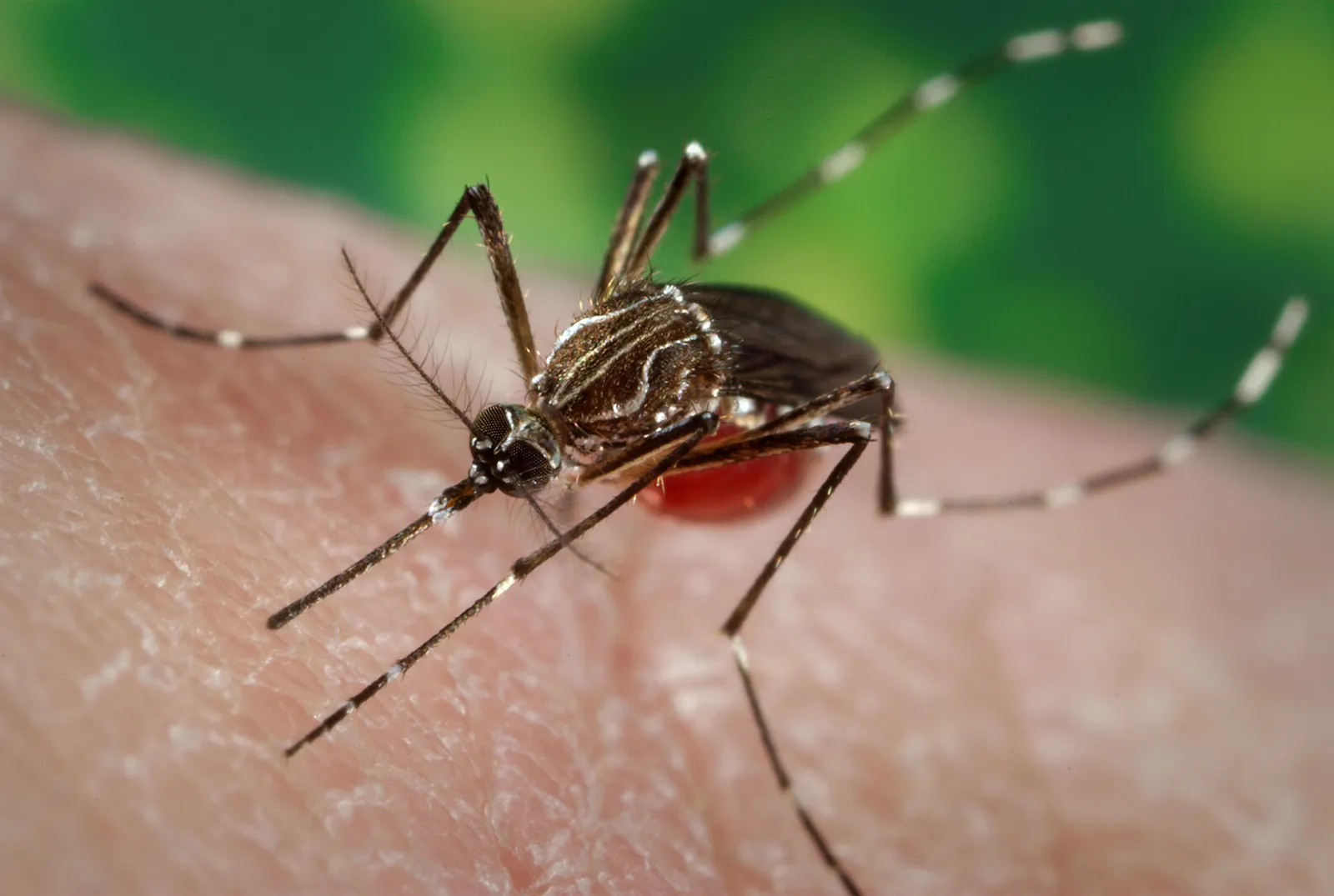
Chikungunya virus is primarily transmitted through the bite of infected Aedes mosquitoes, specifically:
- Aedes aegypti (yellow fever mosquito)
- Aedes albopictus (Asian tiger mosquito)
These day-biting mosquitoes are also responsible for transmitting dengue fever, Zika virus, and yellow fever, making vector control crucial for preventing multiple arboviral diseases.
Geographic Distribution
Chikungunya outbreaks have been reported across:
- Africa: Where the virus was first identified in 1952
- Asia: Including Southeast Asian countries
- Americas: Following major outbreaks since 2013
- Europe: Limited autochthonous transmission in Mediterranean regions
- Indian Ocean islands: Significant epidemic activity
Clinical Manifestations and Symptoms
Acute Phase Symptoms
The incubation period typically ranges from 3-7 days, followed by acute symptoms including:
Primary Symptoms:
- High fever (often above 39°C/102°F)
- Severe arthralgia (joint pain)
- Myalgia (muscle pain)
- Headache
- Fatigue
Secondary Symptoms:
- Maculopapular rash
- Nausea and vomiting
- Conjunctival injection
- Lymphadenopathy
Chronic Chikungunya
Approximately 30-60% of patients develop chronic symptoms, including:
- Persistent arthralgia lasting months to years
- Joint stiffness
- Polyarthritis
- Tenosynovitis
- Chronic fatigue syndrome
Diagnostic Methods
Laboratory Diagnosis
RT-PCR Testing:
- Most reliable during acute phase (first 7 days)
- Detects viral RNA in blood samples
Serological Testing:
- IgM antibodies: Detectable from day 5-6 onwards
- IgG antibodies: Long-term immunity marker
- ELISA-based assays commonly used
Differential Diagnosis: Healthcare providers must differentiate chikungunya from:
- Dengue fever
- Malaria
- Zika virus infection
- Rheumatoid arthritis
- Other febrile illnesses
Treatment and Management
Symptomatic Treatment
Currently, no specific antiviral therapy exists for chikungunya. Treatment focuses on:
Pain Management:
- NSAIDs (Non-steroidal anti-inflammatory drugs)
- Paracetamol/Acetaminophen
- Avoid aspirin due to bleeding risk
Supportive Care:
- Adequate hydration
- Rest
- Physical therapy for joint mobility
Chronic Pain Management
Long-term management may include:
- Disease-modifying antirheumatic drugs (DMARDs)
- Corticosteroids (limited use)
- Physiotherapy
- Occupational therapy
Prevention Strategies
Vector Control Measures
Community-Level Prevention:
- Eliminate standing water breeding sites
- Use of larvicides in water storage containers
- Community education programs
- Integrated vector management
Personal Protection:
- Use EPA-approved insect repellents containing DEET, picaridin, or oil of lemon eucalyptus
- Wear long-sleeved clothing during peak mosquito activity
- Use bed nets and window screens
- Air conditioning reduces mosquito activity
Public Health Surveillance
Effective chikungunya prevention requires:
- Disease surveillance systems
- Vector monitoring
- Outbreak response protocols
- Cross-border collaboration
- Early warning systems
Complications and Risk Factors
High-Risk Populations
Certain groups face increased risk of severe disease:
- Newborns exposed during delivery
- Adults over 65 years
- Individuals with underlying health conditions
- Immunocompromised patients
Potential Complications
- Neurological complications (rare)
- Cardiovascular involvement
- Ocular manifestations
- Dermatological complications
- Maternal-fetal transmission
Global Health Impact
Economic Burden
Chikungunya epidemics impose significant costs through:
- Healthcare expenditure
- Lost productivity
- Tourism impact
- Vector control programs
Research and Development
Current research focuses on:
- Vaccine development
- Antiviral therapeutics
- Vector control innovations
- Diagnostic improvements
- Epidemiological studies
Climate Change and Future Outlook
Environmental Factors
Climate change affects chikungunya transmission through:
- Expanded mosquito habitat range
- Altered seasonal patterns
- Increased vector survival rates
- Urban heat island effects
Preparedness Strategies
Public health systems must prepare for:
- Emerging disease threats
- Cross-border transmission
- Healthcare system capacity
- Community resilience building
Conclusion
Chikungunya virus remains a significant global health challenge requiring comprehensive approaches combining clinical management, vector control, and public health preparedness. Understanding the virus’s transmission patterns, clinical presentation, and prevention strategies is essential for healthcare providers, public health officials, and communities at risk.
Early diagnosis, appropriate symptomatic treatment, and robust prevention measures can significantly reduce the disease burden and improve patient outcomes. Continued research into vaccines and therapeutics, combined with effective vector control programs, offers hope for better management of this debilitating mosquito-borne disease.
 Admin
Admin