
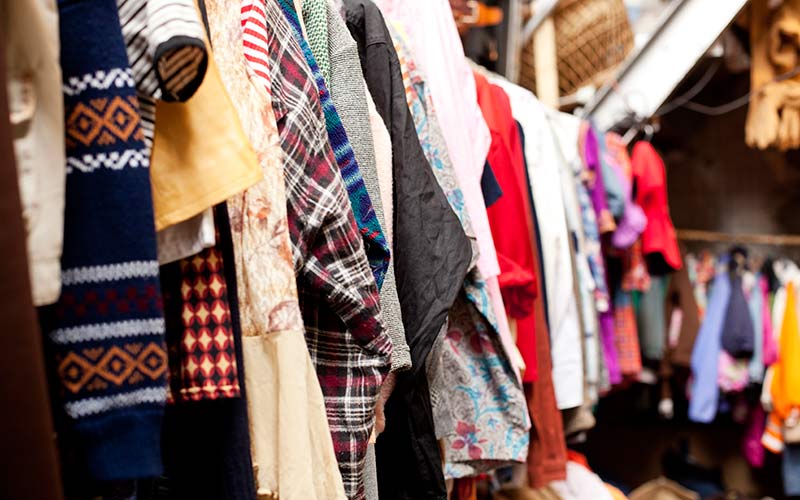
Deadstock clothing has emerged as a revolutionary concept in sustainable fashion, transforming how we think about fashion waste and inventory management. But what exactly is deadstock, and why should conscious consumers care about this growing trend?
In simple terms, deadstock fabric refers to surplus inventory that fashion brands and manufacturers couldn’t sell or use in their original production runs. These materials include unsold garments, excess textiles, and discontinued fashion lines that still maintain their original quality and tags.
What is Deadstock Clothing? Breaking Down the Basics
Defining Dead Stock Inventory
Dead stock inventory in fashion encompasses several categories:
- Surplus inventory from overproduction
- Unsold inventory from previous seasons
- Excess stock from canceled orders
- Overstock from miscalculated demand
- End-of-roll textile remnants

Unlike regular vintage clothing, deadstock vs vintage differs significantly. Deadstock items are brand new, unworn pieces that never reached consumers, while vintage refers to previously owned garments from past decades.
The Rise of Sustainable Fashion Through Deadstock
Environmental Impact of Fashion Waste
The fashion industry generates massive amounts of textile waste annually. Fashion waste reduction has become crucial as the industry faces scrutiny over its environmental footprint. By utilizing deadstock fabric sustainability practices, brands can significantly reduce their ecological impact.
Zero waste fashion movements have embraced deadstock as a solution to overproduction. This approach aligns with circular fashion principles, where materials continuously cycle through the system rather than ending up in landfills.
Benefits of Choosing Deadstock Materials
Sustainable materials like deadstock offer numerous advantages:
- Waste reduction in textile production
- Lower environmental impact
- Unique, limited-edition pieces
- Cost-effective for designers
- Support for fashion sustainability goals
How Deadstock Supports Sustainable Fashion Brands
Zero Waste Clothing Brands Leading the Movement
Zero waste clothing brands have pioneered innovative approaches to fashion circularity. These companies focus on:
- Upcycled clothing from deadstock materials
- Eco-friendly clothing production methods
- Conscious fashion design principles
- Ethical fashion manufacturing processes
The Role of Deadstock Fabric Suppliers
Deadstock fabric suppliers serve as crucial intermediaries between manufacturers and sustainable brands. They rescue surplus materials that would otherwise contribute to textile waste solutions problems.
Sustainable Fashion Materials: Beyond Traditional Textiles
Innovation in Eco-Friendly Clothing
Sustainable fashion materials extend beyond just deadstock fabrics. The industry now embraces:
- Organic cotton deadstock
- Designer deadstock from luxury brands
- Luxury deadstock with premium finishes
- Recycled synthetic deadstock materials
Fashion Inventory Management and Sustainability
Proper fashion inventory management helps brands minimize deadstock creation while supporting slow fashion principles. This approach encourages:
- Better demand forecasting
- Reduced overproduction
- Strategic material sourcing
- Waste minimization strategies
The Business Case for Deadstock Fashion
Market Demand for Sustainable Options
Consumer demand for sustainable fashion continues growing, with buyers seeking eco-friendly clothing options. Conscious fashion consumers appreciate:
- Transparency in material sourcing
- Environmental responsibility
- Unique, limited-availability pieces
- Support for ethical fashion practices
Challenges in Deadstock Utilization
Despite benefits, working with deadstock presents challenges:
- Limited quantity availability
- Unpredictable material types
- Quality consistency concerns
- Supply chain complexity
How to Identify Quality Deadstock Items
Key Characteristics of Authentic Deadstock
When shopping for deadstock clothing, look for:
- Original tags and packaging
- Unworn condition
- Brand authenticity
- Quality construction
- Sustainable sourcing documentation
Deadstock vs Regular Inventory
Understanding deadstock vs vintage and regular inventory helps consumers make informed choices:
Deadstock advantages:
- Never worn or used
- Original condition
- Often unique or limited
- Supports sustainability
Regular inventory differences:
- Current season items
- Standard availability
- Predictable supply
- Traditional production methods

The Future of Deadstock in Sustainable Fashion
Emerging Trends in Fashion Sustainability
Fashion sustainability trends indicate growing deadstock adoption:
- Increased brand transparency
- Consumer education initiatives
- Technology integration for better tracking
- Collaborative industry efforts
Building a Circular Fashion Economy
Circular fashion represents the future of sustainable clothing. Deadstock plays a vital role by:
- Extending material lifecycles
- Reducing virgin resource demand
- Supporting waste reduction goals
- Encouraging innovative design approaches
Practical Tips for Consumers
Shopping for Deadstock Fashion
When seeking sustainable fashion options:
- Research brand sustainability practices
- Verify deadstock authenticity
- Consider long-term value
- Support transparent suppliers
- Prioritize quality over quantity
Building a Sustainable Wardrobe
Incorporate deadstock fabric pieces into your wardrobe by:
- Choosing versatile, timeless designs
- Investing in quality construction
- Supporting zero waste fashion brands
- Educating others about sustainability benefits
Conclusion
Deadstock represents more than just surplus inventory – it’s a pathway toward sustainable fashion that benefits both consumers and the environment. By choosing deadstock clothing and supporting zero waste clothing brands, we contribute to fashion waste reduction and promote circular fashion principles.
As awareness of textile waste issues grows, deadstock fabric sustainability will become increasingly important. Consumers, brands, and suppliers must collaborate to create a more sustainable and ethical fashion industry that values waste reduction and environmental responsibility.
The future of fashion lies in innovative approaches like deadstock utilization, proving that sustainable materials and eco-friendly clothing can coexist with style, quality, and accessibility. By understanding and embracing deadstock, we take meaningful steps toward a more conscious fashion future.